Paper, Pixels, and the Notes That Move Your Day
We explore analog versus digital so you can choose the right everyday note system for your workflow. Expect practical comparisons, honest trade‑offs, and field‑tested habits that help ideas land, stay organized, and turn into action. Share your setup and subscribe for more experiments and real stories.

Clarity Begins with Capture

Capture sets the tone: paper opens instantly and encourages scribbles, arrows, and quick sketches; apps add buttons, notifications, and search. We’ll compare the feel of pens and pixels, including latency, lock screens, widgets, and the tiny frictions that decide whether thoughts survive the moment.

Speed and Friction in the First Five Seconds
Those first seconds determine if an idea lands. A notebook is open-and-go, even while walking, while a phone can demand a passcode, a swipe, and a tap. Measure steps, not intentions, because fewer steps repeatedly win under pressure.

Context Signals: Margins, Timestamps, and Metadata
Paper offers implicit context through page location, margins, and adjacent sketches you did an hour earlier. Digital captures explicit metadata like timestamps, device, and location, and can attach photos or voice. Combine both signals to reconstruct where, why, and how a note deserves follow‑up.

From Capture to Action: Turning Notes into Next Steps

Notes earn their keep only when they change behavior. Decide a default path: inbox today, review tonight, task tomorrow. On paper, box actionable lines and migrate. In apps, one tap files, tags, and links. The magic is consistent review, not sophisticated tools.

Retention, Recall, and the Science Behind It

Our heads remember differently depending on method. Handwriting slows you just enough to process, which studies suggest can deepen understanding, while digital shines at resurfacing forgotten details through search and reminders. We’ll explore how spacing, novelty, and retrieval practice make either approach trustworthy across long projects.

Tools and Setups That Actually Fit a Day

Equipment should disappear into routine. A pocket notebook plus a durable pen may outperform any app if it is always with you. Conversely, a lightning‑fast widget and reliable sync can feel weightless. Here are pragmatic kits that protect attention while keeping throughput high.

The Reliable Paper Kit

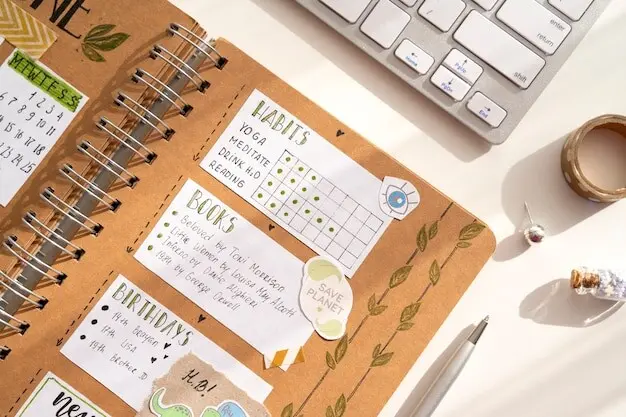
Carry one small notebook, one pen you trust, and a simple index on the first page. Use page numbers, a monthly log, and symbols for tasks, ideas, and references. Even coffee spills become history markers that help your mind retrace important threads.

The Low-Drag Digital Stack

Configure a one‑tap capture widget, inbox note, and quick checklist template. Turn off decorative animations and keep just two tags you will actually use. Sync across laptop and phone, and ensure offline access so airplanes and basements cannot interrupt momentum when ideas spark.

Hybrid Without the Headache

Pick a single junction: scan the day’s best pages using your phone, or retype only the lines that must be searchable. Avoid duplicating everything. Let paper handle sketching and ambient thinking, while your app guards deadlines, reminders, and cross‑links to projects and people.

Workflows for Different Roles and Rhythms

The Meeting-Heavy Manager

In constant meetings, silence your laptop notifications and bring a narrow notebook to reduce visual noise. Capture decisions, owners, and dates in real time. After each meeting, spend two minutes migrating only the next concrete step into your digital task list, then breathe.

The Maker and Developer

For makers, friction arrives as context switching. Keep code, notes, and documentation linked in your editor or favorite app. Sketch architectures by hand during ideation; photograph the whiteboard; then attach the image to your ticket so the why survives alongside the what.

The Student and Researcher

Students thrive when notes encourage understanding over transcription. Handwrite lecture outlines, then create digital summaries that link readings, quotes, and questions. Use spaced reminders before exams and keep a master index that points to both pages and files, uniting scattered sources into one dependable map.

Decision Framework: Choose with Confidence

Instead of chasing the perfect app or notebook, decide using evidence. Audit your days, score what matters, and run a safe experiment. Your best choice will likely be obvious after a week of honest tracking, because the winning system removes decision fatigue, not adds features.

Run a Seven-Day Capture Audit

For seven days, keep a tiny tally each time you could not capture, organize, or find a note within seconds. Note contexts like walking, commuting, or presenting. Patterns will expose true constraints and reveal whether paper or pixels really suit your real life.

Score What Actually Matters

Choose criteria you genuinely value: capture speed, searchability, durability, privacy, collaboration, and joy. Score each on a simple one‑to‑five scale after actual use, not marketing promises. The right direction emerges when numbers line up with your gut and daily energy.

Make a Reversible Bet

Commit to one setup for thirty days, but plan an exit. Define a trigger to revert or adjust, such as five missed captures in a week. Reversible decisions reduce anxiety, free attention, and paradoxically make it easier to stick with a bold choice.

Staying Consistent and Evolving Over Time
A system endures when rituals support it. Small daily sweeps, predictable weekly resets, and thoughtful safeguards keep everything resilient. Backup your notes, carry spares, and rehearse failure modes. And invite accountability: share your setup with peers, ask for feedback, and celebrate improvements publicly.
Virosiralivodavo
Privacy Overview

This website uses cookies so that we can provide you with the best user experience possible. Cookie information is stored in your browser and performs functions such as recognising you when you return to our website and helping our team to understand which sections of the website you find most interesting and useful.